

AI Max is either going to be your best friend in 2026 or the fastest way to burn through budget.
And the only difference between those two outcomes is the signals that you feed it.
And that’s exactly what we’re going to focus on today.
Welcome to Google Ads Quick Hits. I’m Todd Nevins, I am the founder of CLICKPlacement and we are a Google partner.
Do you prefer watching versus reading?? Watch the video here…
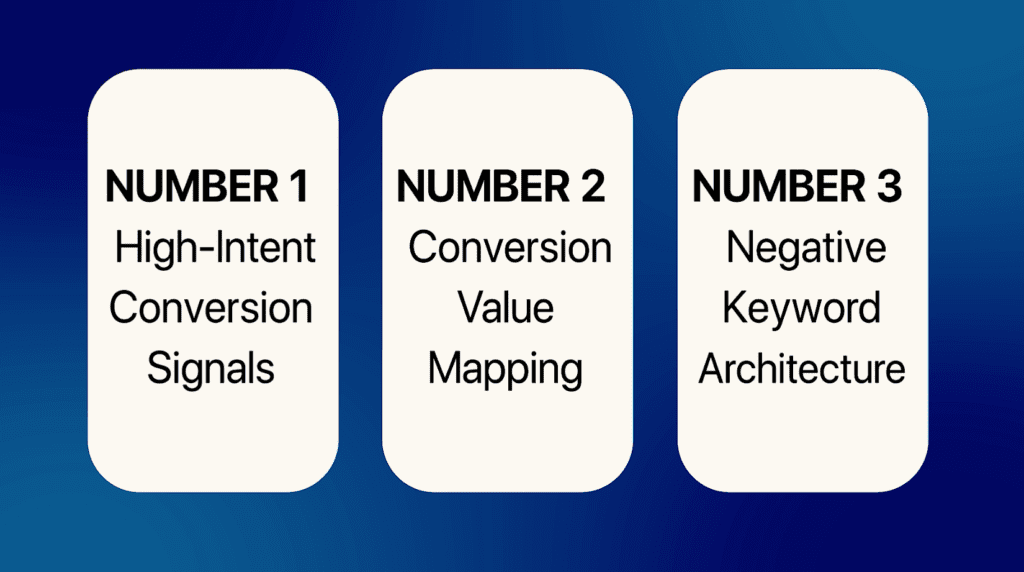
Today I’m going to walk you through the three signals that you absolutely need to implement for 2026.
If you want cheaper CPAs and better lead quality and an algorithm that actually understands the buyers that you want.
AI Max isn’t some voodoo magical machine. It’s actually a pattern matching machine. And it looks at your conversions, your landing pages, the search terms and search queries that got your previous conversions to your website and converted and it just simply repeats that pattern over and over.
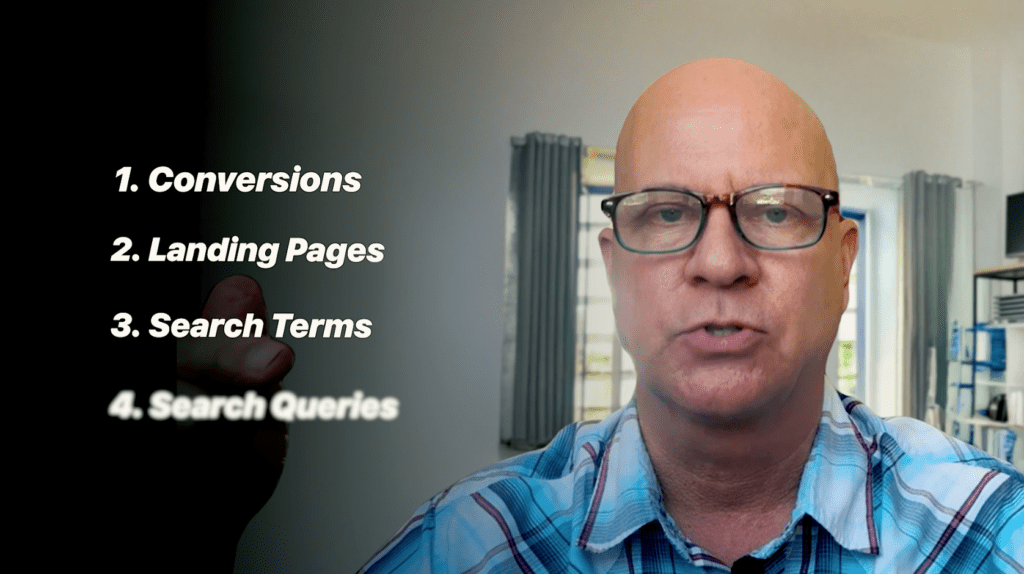
But it’s the pattern that you are providing Google. So if you’re, if your patterns are terrible then your results are going to be terrible.
But if your signals are clean, AI is going to work for you in 2026.
I’m going to go through the three signals specifically to get everything cleaned up to make sure AI Max works for you.
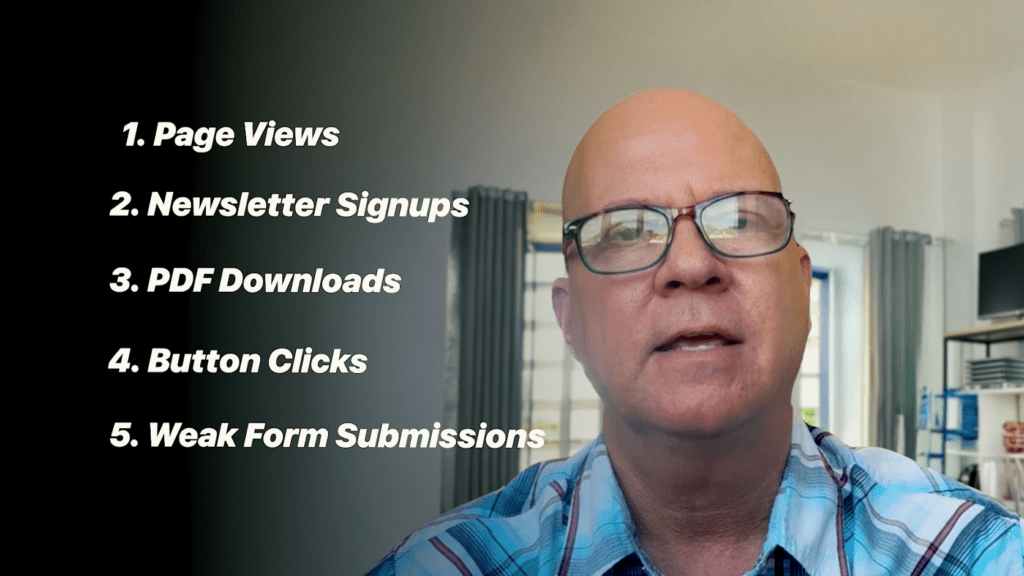
Signal number one, clean high intent conversions. A lot of advertisers and we see this all of the time are tracking way too many primary conversions and then they wonder why AI Max is not delivering high quality traffic to their site.
So in a lead generation a lot of the conversions that are being tracked that shouldn’t be our page views, newsletter signups, PDF downloads, a button click and a weak form submission.
And in eCom I see the poor quality primary conversions that are being tracked would be if somebody adds a product to a cart or a product view, just anything.
But a purchase should not be tracked as a primary conversion. But when Google sees all this stuff it thinks, okay, well I’m doing a good job because I’m getting a lot of conversions.
Cool, I’m going to go find more people like that. And that’s not what we want. And then that’s where the budget is disappearing.
In a lead gen environment, let’s use a cosmetic surgeon that we want to get booked consultations or we want to track phone calls that last more than one minute or we want a high intent form submission.
And again back on eCom we want to track purchases and the values of those purchases. That’s it.
Like fixing this can have a huge impact to the performance of your campaigns. Specifically when you’re running AI max.
Signal number two is conversion value mapping. And in 2026, if you’re not assigning values to your conversions, Google is guessing. And they are terrible guessers because your data is vague.
If you’re a cosmetic surgeon, as an example, and it takes you, five booked consultations to have one to result in one surgery, and one surgery on average is $10,000, well, then each booked consultation has a value of $2,000.
But if it takes, let’s say, ten phone calls that are over a minute to book an actual surgery, well, then you do the math on those phone calls differently.
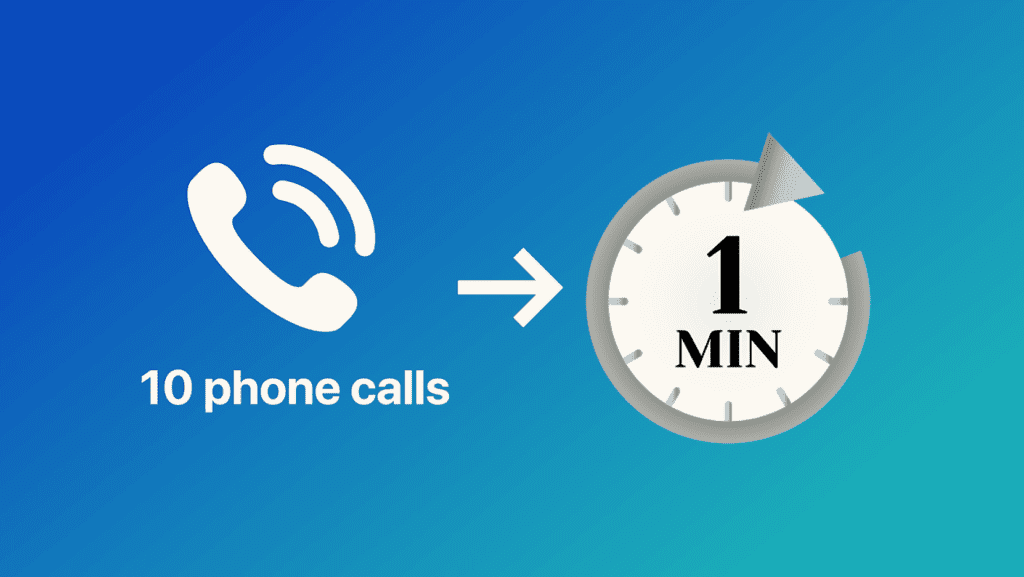
And you have to just simply do the math based on what is working in your business.
Whether you’re doing roof repair or you’re in, senior communities or you’re doing cosmetic surgery or anything, you have to do the math to get your values accurate.
Is this a perfect way to do it? No, but over time, and when you’re looking at a longer period of time, like 90 days or four months, that we can get the numbers pretty close.
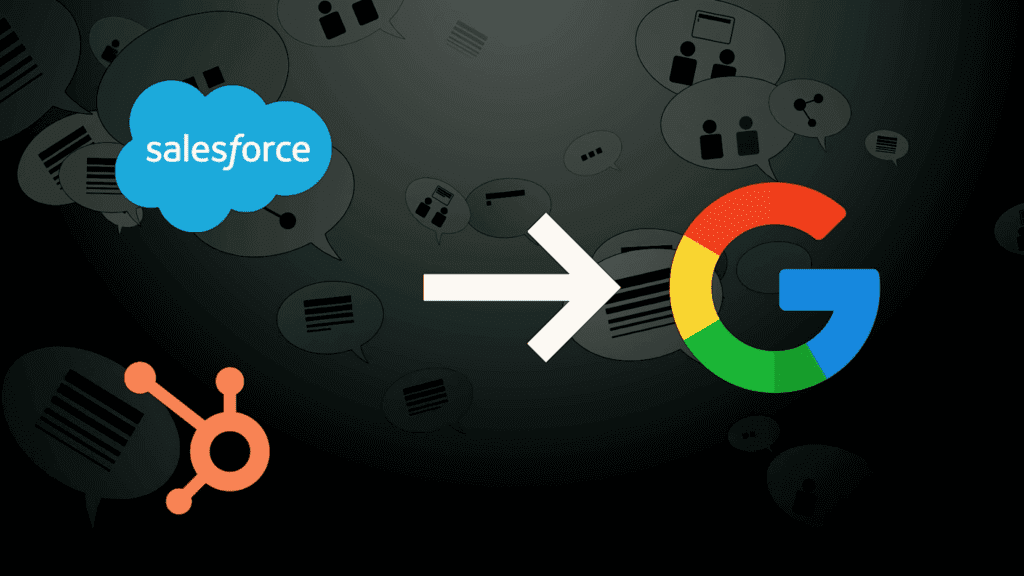
But the best way to do it absolutely is importing your offline conversions. If you use HubSpot or Salesforce, link them into Google Ads or, or import your leads and values back into Google Ads and this will drastically lower your per acquisition in 2026.
Signal number three, negative keyword architecture. This is a massive, massive requirement. It’s not an option anymore in 2026.
So we’ve got to tell Google’s AI who we do not want our ads to be shown to. I’m going to break this section into three different parts.
And the first one, competitors. If you don’t want competitor intent traffic, block it from the very first day. Get all of your competitors in your area, the names of the clinics and the names of the doctors or the founders.
Like, every single potential search for your competitors needs to be added to a negative keyword list and simply call it competitor name negatives.
The second one, unless you’re selling something cheap or of low value, you want to add things in, like cheap, free, discount, low cost.
This is, these are just people that are looking for a deal with cheap intent. And that’s not typically the traffic that you want if you’re spending money on Google Ads.
The third one, completely irrelevant searches. And a lot of times, say you’re an accountant. A lot of times Google serves your ads up to people that are looking for accounting jobs or the salary of an accountant or how to become an accountant, or training or free templates and stuff like that.
And then also block out in this section the cities that are close to your your core audience but still irrelevant.
Let’s say you’re in Dallas and 95% of your customers are not over in Fort Worth or certainly not up in Oklahoma City or up in Denton. Like if you serve a very specific geographic area and not outside of it, you need to add the negative.
Add the city names that are outside of your target audience area, add them as negatives. And that is continuing to teach Google who we want our ads to show to or who we do want our ads to show to.
Now that you’ve implemented all of these signals properly, let’s say you start running it and it’s working, which I hope it does, and you want to scale.
Do not add 60% more to your budget all at once. What’s going to happen is that your campaigns are going to go into learning mode.
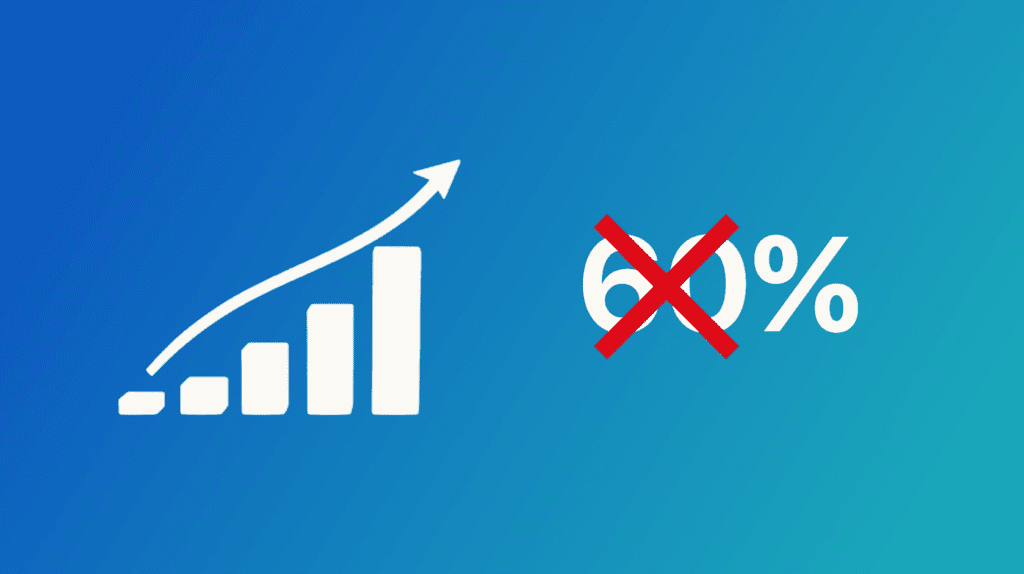
Your cost per acquisition is going to jump, you’re going to panic, you’re going to lower your budget, and then you’re going to just wonder what in the world happened.
Don’t do that. Only increase your budget by 15 at a time and wait a week or two weeks for things to settle in. And if everything looks good and you’re still profitable and you want it to spend more, increase your budget at another 15%.
I hope this video helped you. If you get all of these things dialed in your 2026 using AI, Max is going to rock.
But if you still have problems, I reveal still have questions and you want me to check it out, leave me a comment or send me a DM and I’m happy to help.
Happy 2026.
SCHEDULE A GOOGLE ADS AUDIT: https://clickplacement.com/get-started/
CLICKPlacement is a Google Ads Partner and works with regional niche companies and national organizations to maximize prospect and customer engagement, and sales with proven Google Ads strategies.
Founder Todd Nevins on…
LinkedIn: https://www.linkedin.com/in/toddnevins/
TikTok: https://www.tiktok.com/@todd_nevins
Instagram: https://www.instagram.com/todd_nevins/
